A long journey does not have to interrupt a healthy yoga routine. Travel can bring new experiences, different environments, and busy schedules, but it can also make regular exercise more difficult. For people who enjoy yoga, having suitable equipment can make it easier to continue practicing away from home. A portable yoga mat provides a familiar surface for stretching, balance exercises, meditation, and complete yoga sessions in hotels, studios, parks, or other suitable locations.
Choosing the right mat is about more than simply finding the smallest option available. Weight, comfort, grip, durability, portability, maintenance, and storage all influence the overall experience. The main point is that a well-designed mat should provide a practical balance between easy transportation and dependable performance. With the right choice, travel and regular yoga practice can fit naturally into the same routine.
Understanding the Value of a Travel-Friendly Yoga Mat
A travel yoga mat is designed to make yoga practice more convenient when moving from one location to another. Traditional yoga mats can provide excellent cushioning and stability, but their size and weight may become inconvenient during travel. A travel-focused design generally aims to reduce bulk while retaining useful features for regular practice.
Portability is especially valuable when luggage space is limited. Travelers may need to carry clothing, personal items, electronics, and other essentials, leaving little room for large fitness equipment. A mat that folds or rolls into a compact shape can fit more easily into a suitcase, backpack, or carry bag.
However, portability should not be the only consideration. The mat should still provide adequate traction and stability for the type of yoga being practiced. Gentle stretching may require different characteristics from dynamic yoga sessions. Understanding personal requirements before purchasing can therefore help avoid choosing a product based solely on appearance or size.
Grip and Surface Stability for Confident Movement
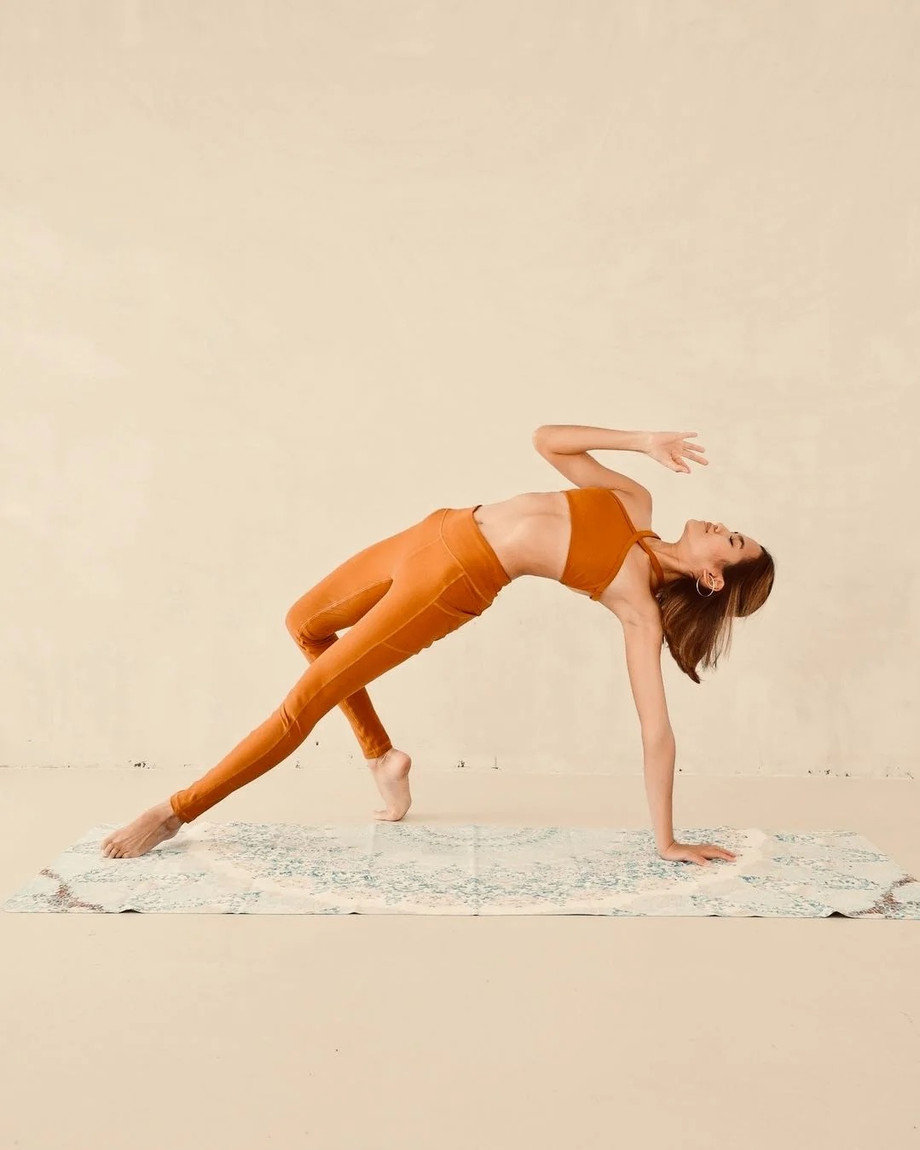
Grip plays an important role in creating a stable practice environment. Hands and feet need dependable contact with the mat during standing poses, transitions, stretches, and balance exercises. A surface that becomes slippery can interrupt concentration and make certain movements less comfortable.
The texture of the mat can influence how it feels during use. Some surfaces are designed to provide stronger traction, while others prioritize softness and comfort. The ideal balance depends on the type of practice and the environment in which the mat will be used.
The underside is equally important. A mat that moves across a smooth floor can become distracting, particularly during transitions. Good contact between the underside and the floor can improve stability and help the practitioner maintain a consistent position. When practicing outdoors, the ground should also be inspected because grass, stone, sand, and uneven surfaces can affect performance.
Comfort and Cushioning for Different Yoga Styles
Cushioning is another important feature to consider. Kneeling positions, seated stretches, and poses that place pressure on joints can become uncomfortable when a mat is extremely thin. At the same time, excessive thickness can increase weight and make the mat harder to pack.
A suitable thickness therefore depends on personal comfort and the intended activity. People who primarily practice gentle stretching may prefer a different level of cushioning than those who perform standing or balance-focused routines.
The material can also influence the overall feel. Softer surfaces may feel comfortable during longer sessions, while firmer materials can provide a more stable foundation for balance. A practical selection should consider both comfort and control rather than focusing on cushioning alone.
Why Lightweight Design Matters During Travel
A lightweight yoga mat can be especially useful for travelers who regularly move between destinations. Every additional item in a suitcase can affect convenience, particularly during air travel or when walking between transportation points. Reducing unnecessary weight can make packing and carrying equipment easier.
Compact storage is another advantage. Some mats can be folded into smaller sections, while others can be rolled tightly. The best format depends on luggage size and personal preference. A folding design may fit conveniently between clothing, whereas a rolled design can be easier to carry separately.
Lightweight construction should still provide enough durability for repeated use. A mat that is easy to carry but quickly loses its shape or surface quality may not provide good long-term value. Material strength, construction quality, and proper maintenance can help ensure that reduced weight does not come at the expense of useful performance.
Durability and Maintenance on the Road
Travel exposes yoga equipment to more varied conditions than a mat used only at home. A mat may be packed and unpacked repeatedly, placed on different surfaces, or exposed to heat and humidity. Durable materials can help it withstand these changing conditions.
Cleaning is also important. Yoga sessions can leave sweat and moisture on the surface, while outdoor practice can introduce dust and dirt. Regular cleaning according to the manufacturer's recommendations can help maintain the mat's appearance and usability.
After cleaning or practice, allowing the mat to dry properly is useful before placing it inside a bag or suitcase. Storing a damp mat in an enclosed space can contribute to unpleasant odors and material deterioration. Proper ventilation and storage can therefore extend the useful life of the equipment.
Creating a Consistent Yoga Routine While Traveling
A portable mat can support consistency by making exercise equipment available whenever a suitable practice space is found. A hotel room, quiet outdoor area, guest room, or dedicated studio may provide enough space for a short session.
Consistency does not necessarily require a long workout. A brief sequence of stretches can help maintain movement during a busy travel schedule. Longer sessions can be planned when time and space allow. The important factor is creating a realistic routine that can adapt to changing circumstances.
Travel can also provide opportunities to explore different styles of practice. Morning stretching can help prepare the body for a day of activities, while gentle evening movements may encourage relaxation. A familiar mat can provide a sense of continuity even when the surrounding environment changes.
Choosing a Mat Based on Personal Requirements
There is no single mat that is ideal for every traveler. Body size, yoga style, travel frequency, preferred cushioning, storage space, and expected practice locations can all influence the decision.
A frequent traveler may prioritize minimal weight and compact storage. Someone who spends longer periods in one destination may place greater importance on cushioning and durability. Outdoor practitioners may focus heavily on surface grip and ease of cleaning.
Price should also be considered alongside expected usage. A durable mat with suitable features may offer better long-term value than a cheaper option that requires frequent replacement. Reading product specifications and understanding material characteristics can make the selection process more informed.
Conclusion: Combining Portability With Everyday Comfort
The right yoga mat can make it much easier to maintain a healthy routine while traveling. Important qualities include manageable weight, dependable grip, suitable cushioning, durable materials, compact storage, and simple maintenance. These features can help transform different locations into practical spaces for movement and mindfulness.
For travelers who value convenience, a travel yoga mat can provide a useful combination of portability and functionality without requiring excessive luggage space. Similarly, selecting equipment with appropriate weight and construction can make regular practice more convenient throughout a journey. Options and information available through mikkoa.com may help travelers explore suitable products for their individual needs.
Ultimately, the best choice is a mat that fits naturally into a travel routine while providing the stability, comfort, and reliability needed for consistent yoga practice.